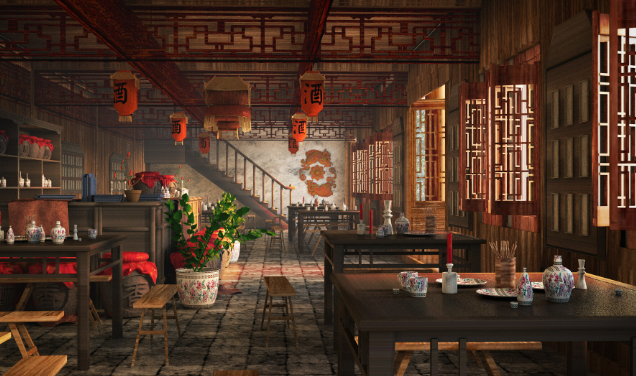
Chinese restaurant dining https://www.newhongkongchineserestaurant.com/ can become far more interesting when diners look beyond the dishes they already know. Familiar favorites offer comfort, but Chinese cuisine contains a much wider collection of regional recipes, traditional preparations, unusual ingredients, and contrasting textures. A menu might include handmade dumplings, delicate seafood, fragrant vegetables, slow-cooked specialties, aromatic soups, and noodles prepared in several distinct styles. Exploring these options can reveal how much variety exists within Chinese food culture. Diners do not need to abandon their favorite dishes completely. Instead, they can place one familiar selection beside something new and gradually expand their palate. This approach makes each restaurant visit feel less predictable while preserving the welcoming qualities that make Chinese dining enjoyable for different tastes.
Start With One New Dish
Trying something unfamiliar does not require changing an entire order. Diners can keep a favorite dish on the table while adding one specialty they have never tasted. This simple approach creates a comfortable balance between familiarity and discovery. A regular noodle dish might sit beside a regional vegetable preparation, or familiar dumplings can accompany a seafood specialty. Sharing makes the process even easier because several people can taste a small portion. One new dish may introduce a completely different texture, sauce, or cooking method without dominating the meal. Over time, these small experiments can gradually expand a diner’s understanding of Chinese cuisine and make restaurant visits more interesting.
Explore Regional Chinese Cooking
Chinese cuisine includes numerous regional traditions, each with its own ingredients and techniques. Sichuan cooking often combines chili with aromatic spices, while Cantonese dishes frequently focus on freshness and restrained seasoning. Northern Chinese cuisine has strong wheat-based traditions, including dumplings, noodles, and steamed breads. Other regions showcase rice dishes, seafood, fermented ingredients, or slow-cooked specialties. Exploring regional selections can reveal flavors that familiar restaurant staples may not represent. Diners can also notice how the same ingredient changes when cooks use different regional techniques. This diversity makes Chinese restaurant menus especially rewarding for people who enjoy discovering the stories behind their food.
Give Vegetables More Attention
Vegetable dishes can provide some of the most interesting alternatives to familiar meat-based favorites. Chinese restaurants may prepare bok choy, Chinese broccoli, eggplant, mushrooms, snow peas, bean sprouts, and leafy greens through steaming, stir-frying, or braising. Garlic, ginger, sesame, and fermented seasonings can give these ingredients remarkable depth. Quick cooking can preserve their crisp texture, while slower methods can create softer and richer results. Ordering vegetables also creates balance when the table includes fried dumplings, roasted meat, or rich noodles. Diners who usually overlook the vegetable section may discover that these dishes offer plenty of flavor without relying on heavy sauces or large portions of meat.
Discover Different Dumpling Styles
Dumplings can become a gateway to lesser-known Chinese dishes because they appear in many forms. Restaurants may offer fillings made with pork, shrimp, beef, mushrooms, vegetables, or other combinations. Steaming, boiling, and pan-frying each create noticeably different textures. Some versions feature delicate wrappers, while others have thicker dough and more substantial fillings. Dipping sauces add another layer through vinegar, soy, sesame, or chili. Diners who already enjoy familiar dumplings can look for regional variations rather than ordering the same style every time. A shared plate also makes comparison easy, allowing everyone to decide which preparation and filling they prefer.
Try Noodles Beyond the Usual Bowl
Noodles can offer more variety than a single familiar preparation suggests. Chinese restaurants may serve them in broths, stir-fries, dry preparations, or dishes covered with savory sauces. Different noodle shapes and thicknesses affect texture, while toppings can include beef, pork, shrimp, mushrooms, greens, and aromatic herbs. Diners accustomed to one noodle dish can try another preparation to experience how dramatically the flavor changes. Stir-fried noodles can provide smoky aromas and crisp vegetables, while noodle soups offer a warmer and more soothing character. Exploring noodle styles can therefore expand a familiar comfort food into an entire category of culinary discovery.
Look Beyond Common Proteins
Chicken and beef may appear frequently on restaurant menus, but they represent only part of Chinese cuisine. Seafood, pork, duck, tofu, mushrooms, and other ingredients can create very different dining experiences. Roast duck can bring rich flavor and crisp texture, while tofu can absorb aromatic sauces beautifully. Fish and shrimp can offer lighter options, particularly when cooks steam them with ginger and scallions. Trying alternative proteins can reveal how cooking techniques influence each ingredient. Diners may also find that an unfamiliar protein becomes appealing when paired with a sauce or preparation method that suits their preferences.
Experiment With Traditional Cooking Methods
The cooking method often determines how an ingredient tastes and feels. Stir-frying emphasizes speed, high heat, and crisp textures. Steaming allows delicate ingredients to retain moisture and natural flavor. Braising creates tenderness while allowing sauces and seasonings to penetrate the ingredients. Roasting develops deeper aromas and appealing surface textures. Diners who usually order stir-fried dishes can choose a steamed or braised specialty to experience a completely different side of Chinese cooking. Paying attention to preparation methods can also make menu descriptions easier to understand. Instead of choosing only by ingredient, diners can consider how the restaurant prepares it.
Explore Different Flavor Profiles
Moving beyond familiar dishes also means exploring different flavor combinations. Some Chinese dishes emphasize savory depth, while others introduce sweetness, acidity, spice, or aromatic warmth. Vinegar can brighten a rich preparation, chili can add heat, and fermented ingredients can provide complexity. Ginger, garlic, scallions, and sesame contribute fragrance without necessarily creating strong heat. Choosing dishes with contrasting profiles can make a shared meal more dynamic. A spicy specialty might pair well with mild vegetables, while a tangy dish can refresh the palate after roasted meat. Exploring these combinations helps diners understand how Chinese cooks create balance across an entire meal.
Tea Adds Another Dimension
Tea can provide an easy way to experience Chinese dining traditions beyond the food itself. Jasmine tea brings floral notes, green tea offers freshness, and oolong or pu-erh can provide deeper aromas. Drinking tea between dishes can refresh the palate and create a slower rhythm around the table. Sharing a pot also supports conversation and communal dining. Diners who usually focus entirely on the food can use tea as another opportunity to explore unfamiliar flavors. Different varieties can complement different dishes, giving the meal another layer of texture and aroma without adding another heavy item to the table.
Shared Dining Makes Discovery Easier
Sharing several dishes allows diners to explore beyond familiar favorites without taking unnecessary risks. A group can order a dependable dish alongside a regional specialty, vegetable preparation, seafood plate, or unfamiliar noodle dish. Everyone can taste a small portion and decide what deserves another serving. This approach encourages conversation because diners naturally compare their impressions and recommend their preferred bites. It also creates more variety across the table, preventing the meal from becoming repetitive. Shared dining therefore supports both the social and adventurous sides of Chinese restaurant culture. The more dishes everyone can sample, the more opportunities arise to discover a new favorite.
Familiarity Does Not Have to End
Moving beyond familiar Chinese restaurant dishes does not mean abandoning the foods that already feel comforting. Instead, familiar favorites can become starting points for broader exploration. A favorite dumpling can lead to another regional variety, a noodle dish can inspire curiosity about different preparations, and a trusted vegetable can introduce an entirely new sauce or cooking technique. Small changes can gradually reveal the depth of Chinese cuisine without making dining feel complicated. Every unfamiliar dish offers another chance to understand regional traditions, ingredients, textures, and flavors. That balance between comfort and curiosity can make Chinese restaurant dining feel fresh even for guests who have visited the same type of restaurant many times.