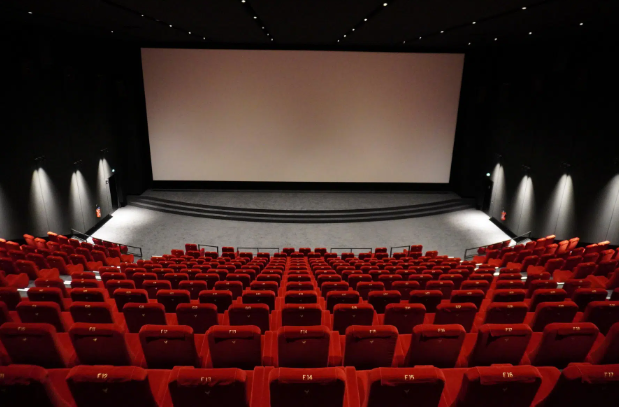
Modern cinemas are no longer built only for watching films—they are designed as full comfort-driven entertainment spaces. Audience expectations have changed significantly, pushing theaters to focus on relaxation, convenience, and immersive enjoyment. Today’s cinema design thevillagegroupe.com combines advanced technology with thoughtful comfort features to create an experience that feels premium from the moment audiences enter the venue until the final credits roll.
Recliner Seating and Spacious Layouts
One of the most noticeable improvements in modern cinema design is seating comfort. Traditional fixed seats have been replaced in many theaters with recliner-style chairs that allow viewers to stretch, relax, and enjoy longer films without discomfort. Wider seat spacing also improves personal space, reducing crowding and enhancing overall relaxation. These changes reflect a clear shift toward prioritizing audience well-being as part of the entertainment experience.
Optimized Viewing Angles for Better Immersion
Cinema layouts are carefully engineered to ensure every seat offers a good viewing angle. Screen positioning, row height, and auditorium slope are all designed to minimize visual obstruction. This ensures that audiences can fully immerse themselves in the film regardless of where they sit. The goal is to create a consistent experience where comfort and visibility work together seamlessly.
Advanced Sound and Visual Integration
Modern cinema design also integrates high-end audio and visual technology directly into the architecture of the theater. Surround sound systems are strategically placed to create balanced audio distribution throughout the room. Meanwhile, high-definition projection systems and large-format screens ensure that visuals remain sharp, bright, and engaging. Together, these elements transform ordinary movie watching into a fully immersive sensory experience.
Ambient Lighting and Relaxing Atmosphere
Lighting plays a crucial role in cinema comfort. Modern theaters use carefully controlled ambient lighting to guide audience movement without disturbing the screen experience. Soft lighting in hallways and seating areas helps create a calm atmosphere before the movie begins. Once the film starts, lighting is minimized to maintain focus and immersion, enhancing emotional engagement with the story.
Digital Convenience and Smart Services
Cinema design today extends beyond physical space into digital convenience. Online booking systems, mobile ticketing, and self-check-in kiosks make the entire process faster and more efficient. These systems reduce waiting times and improve overall customer satisfaction. Some theaters also offer seat selection previews and personalized recommendations, making the experience more user-friendly and tailored to audience preferences.
Premium Amenities and Lifestyle Integration
Modern cinemas increasingly incorporate lifestyle elements into their design. Expanded food menus, in-seat dining options, and premium lounge areas transform movie visits into complete entertainment outings. These features allow audiences to enjoy meals and relaxation without leaving the theater environment, turning cinema trips into a more holistic leisure experience.
Acoustic Design for Maximum Audio Quality
Sound quality is not only about speakers but also about the structure of the theater itself. Acoustic materials are used in walls, ceilings, and seating areas to reduce echo and improve clarity. This ensures that every sound, from dialogue to background effects, is delivered with precision. Proper acoustic design enhances emotional impact and keeps audiences fully engaged in the film.
Accessibility and Audience Inclusivity
Modern cinema design also focuses on inclusivity and accessibility. Features such as wheelchair-friendly seating, assistive listening devices, and clear navigation pathways ensure that all audiences can enjoy the cinema experience comfortably. This approach reflects a broader commitment to making entertainment accessible to everyone.
The Future of Comfort-Driven Cinema Design
As audience expectations continue to evolve, cinema design will keep adapting to prioritize comfort and immersion. Future innovations may include smart seating systems, personalized environmental controls, and even more advanced immersive technologies. The goal remains consistent: to create cinema spaces that feel effortless, enjoyable, and fully aligned with modern entertainment needs.